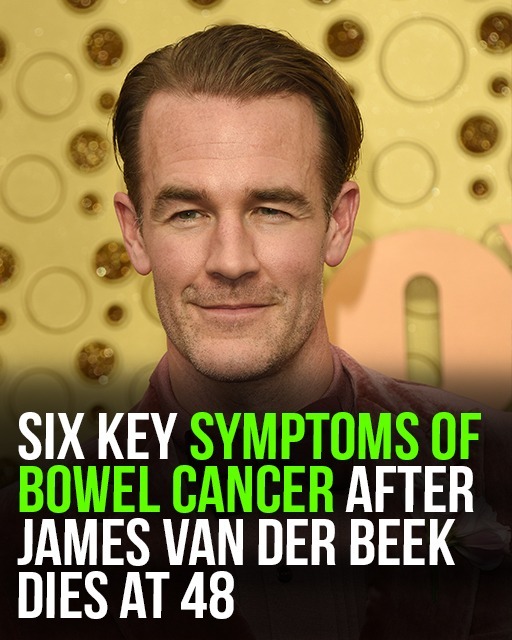
The reported passing of James Van Der Beek at age 48 has reignited urgent conversations about bowel cancer symptoms, early detection, and cancer screening guidelines.
Before his death, the actor shared a powerful message about colorectal cancer awareness: it’s possible to feel completely healthy and still have cancer. That statement reflects a critical reality about this disease — it can develop silently for years before clear warning signs appear.
Why Colorectal Cancer Is a Growing Health Concern
Colorectal cancer — which includes both colon and rectal cancer — remains one of the leading causes of cancer-related deaths worldwide.
According to the American Cancer Society, colorectal cancer is currently the second-leading cause of cancer death among men and women combined in the United States. While overall cancer mortality has declined, cases in adults under 50 have been rising — a trend that has prompted updated screening recommendations and increased medical research into lifestyle, diet, gut health, and environmental factors.
Health experts emphasize that early detection through colonoscopy screening dramatically improves survival rates.
A Disease That Often Shows Few Early Symptoms
Colorectal cancer typically begins as small growths called polyps inside the colon or rectum. These polyps may not cause pain or noticeable symptoms for years. Over time, however, some can become cancerous.
That’s why doctors stress that relying solely on symptoms can be risky. Still, there are important warning signs that should never be ignored.
Six Symptoms of Bowel Cancer to Watch For
Medical professionals recommend seeking evaluation from a healthcare provider if you experience any of the following persistent symptoms:
1. Changes in Bowel Habits
This includes ongoing constipation, diarrhea, or a noticeable change in stool consistency. Narrow or “pencil-thin” stools may indicate a blockage in the colon.
If your digestive pattern changes for more than a few weeks without explanation, it’s worth discussing with a doctor.
2. Blood in the Stool or Rectal Bleeding
Bright red blood may sometimes be linked to hemorrhoids, but it should never be assumed without medical evaluation. Dark or tarry stools can signal bleeding higher in the digestive tract.
Any unexplained bleeding requires prompt medical attention.
3. Persistent Abdominal Discomfort
Ongoing cramping, bloating, gas pain, or a feeling of fullness that doesn’t resolve could indicate a structural issue in the colon.
If over-the-counter remedies don’t improve symptoms, further testing may be necessary.
4. Feeling That the Bowel Doesn’t Empty Completely
A persistent sensation that you still need a bowel movement — even after going — may occur if a growth is present in the rectum.
This symptom, known medically as tenesmus, should not be ignored.
5. Unexplained Weight Loss
Sudden weight loss without changes in diet or exercise can be a warning sign of several serious conditions, including cancer.
Cancer cells can alter metabolism and increase the body’s energy demands.
6. Ongoing Fatigue or Weakness
Chronic fatigue may result from iron-deficiency anemia caused by slow internal bleeding. When red blood cell levels drop, oxygen delivery throughout the body decreases, leading to deep exhaustion.
If fatigue is persistent and unexplained, blood testing can help identify underlying causes.
The Importance of Screening and Prevention
In response to rising early-onset colorectal cancer cases, screening guidelines in the United States now recommend beginning routine colonoscopy screening at age 45 for average-risk adults.
A colonoscopy not only detects cancer early but can prevent it entirely by removing precancerous polyps during the procedure.
Survival rates vary significantly depending on stage at diagnosis:
- Stage 1: Approximately 90% five-year survival rate
- Stage 4: Significantly lower survival once cancer spreads
This dramatic difference underscores why preventive healthcare and routine screening are so important.
A Broader Public Health Message
Health experts continue researching possible contributors to rising colorectal cancer rates in younger adults, including:
- Diets high in ultra-processed foods
- Low fiber intake
- Sedentary lifestyles
- Changes in gut microbiome health
While research continues, doctors agree on one point: early detection saves lives.
Colorectal cancer does not discriminate based on age, fitness level, or public profile. Paying attention to your body — and staying current on recommended medical screenings — remains one of the most effective ways to reduce risk.
If you experience persistent symptoms or are approaching screening age, consider speaking with a qualified healthcare professional. Preventive care is one of the most powerful tools available in modern medicine.