What Causes It to Happen
The root cause lies in REM (rapid eye movement) sleep—the stage when most dreaming occurs. During this phase, your brain temporarily relaxes your muscles to prevent you from acting out dreams.
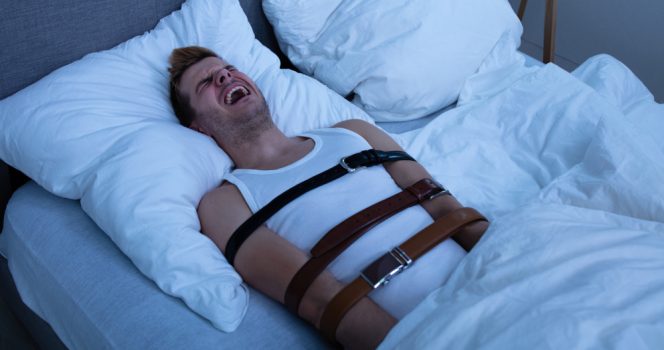
Sleep paralysis happens when your brain wakes up before your body fully exits this state. The result is awareness without movement.
Triggers That Increase the Risk
Certain lifestyle and health factors can make sleep paralysis more likely, including:
- Irregular sleep patterns
- High stress levels
- Anxiety
- Sleep deprivation
- Physical or mental exhaustion
When your sleep cycle is disrupted, the chances of experiencing this mismatch between body and mind increase.
Why It Feels So Real
One of the most unsettling parts of sleep paralysis is the hallucinations. Many people report sensing a presence in the room or feeling pressure on their chest.
Across cultures, these experiences have been interpreted in different ways. Some traditions describe it as a supernatural event, while modern science explains it as the brain blending dream imagery with waking awareness.
A Phenomenon Known for Centuries
Sleep paralysis is not a new discovery. Historical records show that it has been described for hundreds of years, long before modern sleep science explained it.
What was once misunderstood is now recognized as a natural, though intense, part of how the brain and body transition between sleep stages.
How to Reduce the Chances of It Happening
While you may not be able to eliminate sleep paralysis completely, certain habits can significantly lower the risk:
- Maintain a consistent sleep schedule
- Create a calm and comfortable sleep environment
- Limit screen time before bed
- Manage stress through relaxation techniques
- Prioritize getting enough rest
Small, consistent changes can improve sleep quality and reduce disruptions.
What to Do During an Episode
If sleep paralysis happens, staying calm is key. Focus on slow, steady breathing and try to move a small part of your body, like a finger or toe. Once slight movement returns, the rest of your body usually follows.
Reminding yourself that the episode is temporary can also help reduce fear in the moment.
Understanding Brings Relief
Sleep paralysis can feel overwhelming, especially if you don’t know what’s happening. But understanding the science behind it can make a huge difference.
It’s not dangerous. It’s not permanent. And most importantly, you’re not alone in experiencing it.
Final Thoughts
What feels like a nightmare is actually a natural process your body goes through during sleep transitions. With better awareness and healthy sleep habits, the experience becomes far less intimidating.
Have you ever experienced sleep paralysis? Share your story or thoughts below—your experience might help someone else feel less alone.