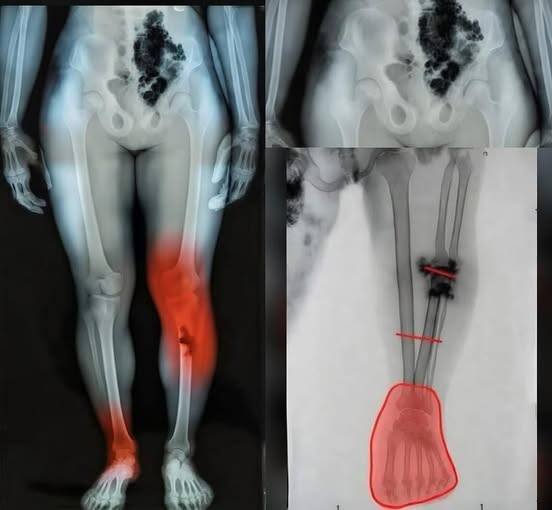
Lingering Inflammation Plays a Big Role
One reason recovery can feel slow is ongoing low-level inflammation. Even after doctors confirm that the major illness is gone, the body’s internal defense system may remain active for a while.
This lingering inflammation can lead to what specialists often call post-acute symptoms, including:
- Mild muscle aches
- Joint stiffness
- Low energy or fatigue
- Trouble concentrating, sometimes called “brain fog”
- Mood changes or feeling mentally drained
These symptoms can be frustrating, but they’re often part of the healing process as the body resets itself.
Slow Recovery Doesn’t Mean Something Is Wrong
Many older adults worry when they don’t bounce back immediately. However, medical experts stress that slow recovery is still recovery.
With time, many people regain their strength and return to normal routines. The key is allowing the body enough rest while gradually rebuilding stamina.
Rest isn’t just helpful during this stage—it’s essential.
Knowing When to Pay Attention
Although fatigue and mild aches are common during recovery, certain symptoms should not be ignored. If any of the following appear, it’s important to speak with a healthcare professional:
- Ongoing chest discomfort
- A racing or irregular heartbeat while resting
- Shortness of breath during simple activities
- Sudden swelling or worsening fatigue
These signs could indicate that the heart, lungs, or circulation need medical evaluation.
The Body Is Still Working Behind the Scenes
Healing after 60 is often quieter and slower, but it’s also a sign of the body’s resilience. Even when you don’t feel immediate improvement, your body is still repairing, rebuilding, and restoring balance internally.
Giving yourself patience—and listening carefully to what your body is telling you—can make the recovery process less stressful and more manageable.
A Healthier Way to Look at Recovery
The road back to full strength may take longer than it once did, but many people successfully regain their energy and independence. The key is pacing yourself, staying attentive to warning signs, and allowing time for proper healing.
Your body is still capable of remarkable recovery—it just needs a little more time to get there.
If you found this helpful, share it with someone who might be going through recovery after illness or surgery. It could help them understand what their body is experiencing.