Muscle Function, Mobility, and Recovery
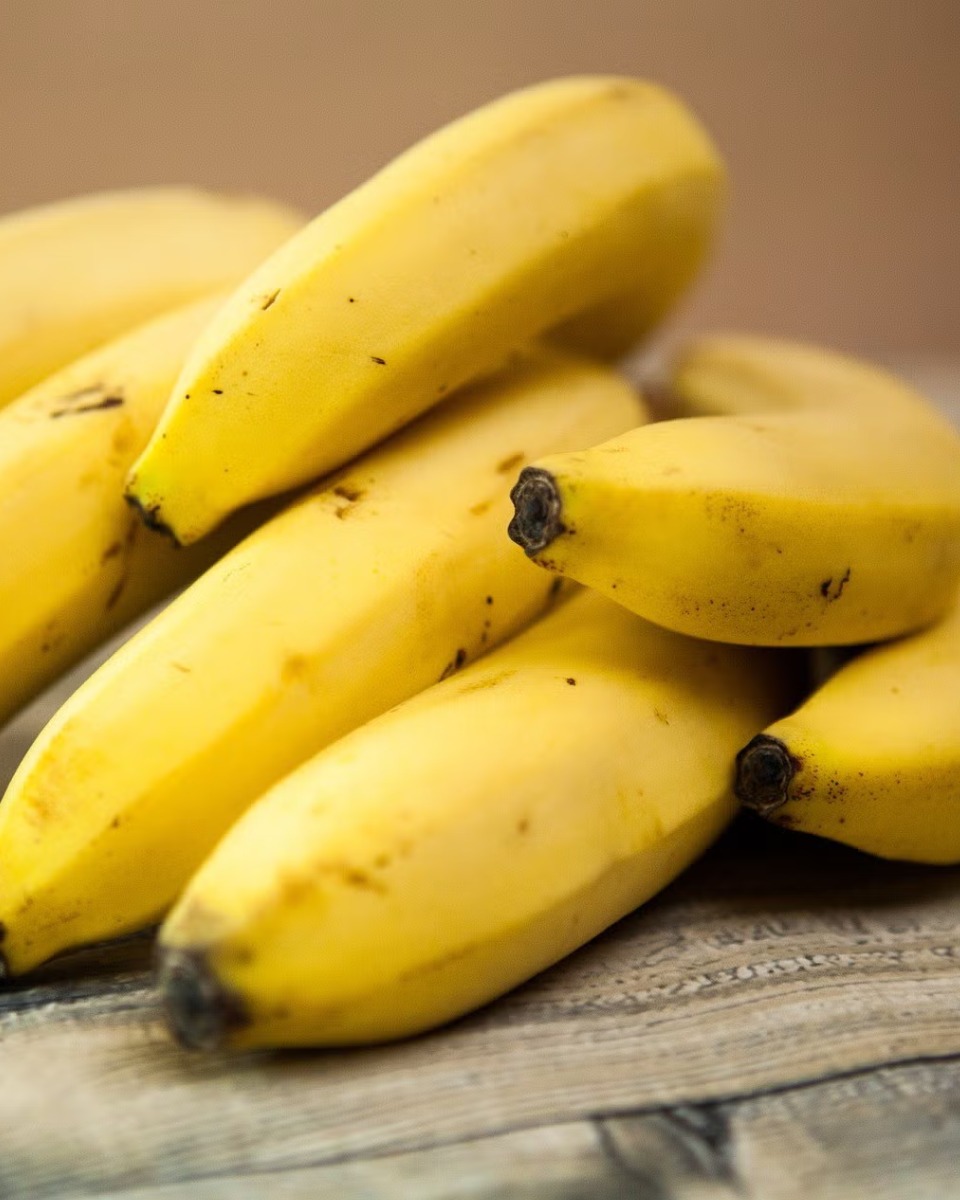
Muscle cramping, stiffness, and reduced mobility become more prevalent after 50, often linked to declining levels of key electrolytes including potassium and magnesium. Both minerals are present in bananas and play a direct role in healthy muscle contraction and relaxation.
While bananas alone are not a treatment for musculoskeletal conditions, incorporating them into a diet that also prioritizes hydration, adequate protein intake, and regular low-impact exercise may help support muscle comfort and physical mobility — both important factors in maintaining independence and quality of life as you age.
Practical Ways to Add Bananas to Your Daily Routine
One of the greatest advantages of bananas as a health food is their versatility. Some easy, everyday options include:
- Sliced over oatmeal or whole grain cereal for added fiber and natural sweetness
- Blended into a protein smoothie with Greek yogurt and leafy greens
- Spread with almond or peanut butter on whole grain toast for a balanced breakfast
- Paired with a small handful of walnuts or almonds as an afternoon snack
- Eaten on their own as a convenient, portable energy source before or after light exercise
A Note on Moderation and Individual Health Needs
A medium banana contains approximately 12 grams of natural sugar. For most healthy adults, this is well within a balanced nutritional profile — particularly when bananas are paired with protein or fat to moderate glycemic response. However, individuals managing type 2 diabetes, insulin resistance, or chronic kidney disease — where potassium intake may need to be carefully monitored — should consult a registered dietitian or healthcare provider before significantly increasing banana consumption.
As with any dietary change, individual health history and medical guidance matter. Bananas are a complementary tool within a broader healthy lifestyle, not a standalone treatment for any medical condition.
Small Daily Habits, Meaningful Long-Term Outcomes
In the landscape of preventive health and wellness after 50, the most sustainable strategies are often the simplest. A daily banana costs very little, requires no preparation, and can quietly support blood pressure regulation, cardiovascular health, digestive regularity, steady energy, and muscle comfort — all areas that become increasingly relevant with age.
No single food is a cure-all, but when consistent small habits are layered together — a banana here, a walk there, a good night’s sleep — the compounding effect on long-term health and vitality is well supported by nutritional science.
💡 Consider adding a banana to your daily routine this week. Pay attention to how it influences your energy levels, digestion, and overall sense of wellbeing — sometimes the simplest changes deliver the most noticeable results.