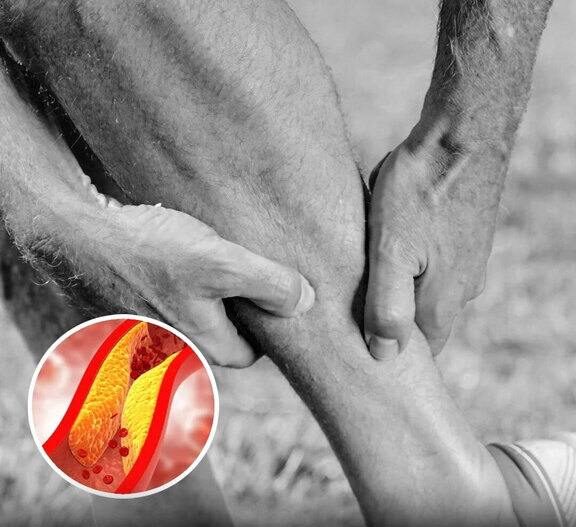
Coronary artery disease affects the arteries supplying blood to your heart. When blocked, oxygen-rich blood struggles to reach the heart, raising the risk of heart attack.
CAD can also show surprising symptoms in your feet:
Swelling (edema): Fluid buildup causing puffy feet and ankles.
Tingling or numbness: Pins-and-needles sensations in toes.
Skin changes: Shiny, tight skin from poor circulation.
Foot pain at rest: Discomfort that doesn’t go away, especially at night.
Brittle toenails: Weak, thick nails from reduced blood flow.
The American Heart Association (AHA) warns that PAD and CAD often go hand in hand. Early prevention through lifestyle changes can dramatically reduce risks, even for children and young adults.
How to Protect Your Feet — and Your Heart
Your feet aren’t just for walking — they’re your early warning system. Here’s how to give them the attention they deserve:
Move your body: Exercise improves circulation and prevents plaque buildup. Aim for 30 minutes of activity daily, like brisk walking or swimming.
Eat heart-smart: Load up on fruits, vegetables, whole grains, and lean proteins. Cut back on processed foods and unhealthy fats.
Quit smoking: Smoking narrows blood vessels and raises risk for both PAD and CAD.
Manage stress: High stress contributes to heart problems. Try meditation, deep breathing, or yoga.
Control diabetes: Blood sugar spikes damage both feet and cardiovascular health.
Regular check-ups: Keep up with your doctor if you have high blood pressure, diabetes, or a family history of heart disease.
Paying attention to your feet could save your life. Cold toes, swelling, cramping, or changes in color are signals your body shouldn’t ignore.
Your feet are talking — are you listening? Share this with friends and family so everyone knows what to look for, and take the first step toward protecting your heart today.