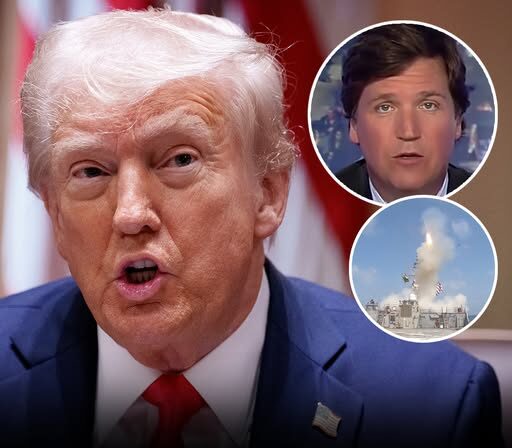
U.S.–Israeli Strikes on Iran Ignite Global Tensions and Divide Trump’s Supporters
A coordinated U.S. and Israeli military operation against Iranian targets has sent shockwaves worldwide, fueling international uncertainty and exposing cracks within President Donald Trump’s political base.
According to officials, the strikes targeted key locations in Tehran on February 28, marking one of the most direct confrontations between Washington and Tehran in decades. Reports indicate that Iran’s Supreme Leader, Ayatollah Ali Khamenei, was killed, alongside multiple senior officials. In a Fox News interview, President Trump called the operation a major success, claiming, “It’s moving along rapidly… 48 leaders are gone in one shot.” The administration framed the campaign as a decisive blow against entrenched Iranian leadership.
Casualties and Retaliation
U.S. Central Command confirmed three American service members were killed, with five more seriously injured. Iran responded quickly with missile and drone strikes targeting U.S. bases across the Gulf, including locations near Bahrain, Qatar, and Dubai. Trump warned Iranian forces to “lay down your arms and receive full immunity or face certain death,” asserting that operations would continue until objectives were achieved. Officials cited Iran’s long-range missile development and potential nuclear capabilities as justification for the strikes.
Growing Backlash Among Conservatives
Despite the administration’s framing, criticism from within Trump’s support base has emerged. Independent journalist Tucker Carlson condemned the strikes as “absolutely disgusting and evil,” claiming he personally advised Trump against the action. Former Congresswoman Marjorie Taylor Greene questioned ongoing U.S. involvement in foreign conflicts, while Senator Rand Paul raised constitutional concerns, emphasizing Congress’s authority to declare war. Conservative commentator Matt Walsh argued that America should prioritize national interest over humanitarian goals, warning against risking American lives for Iran’s internal politics.
Continue reading on next page…