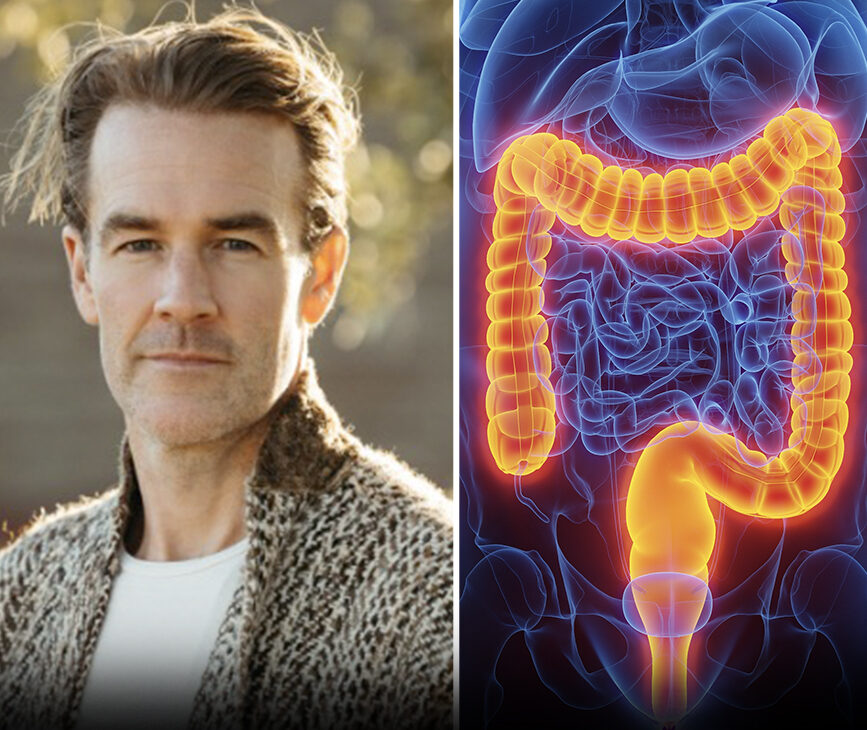
The surge in bowel cancer cases is grabbing headlines, and the tragic passing of actor James Van Der Beek has thrust this deadly disease back into the spotlight. The Dawson’s Creek star died at just 48, leaving behind his wife, Kimberly, and six children. His family shared that he “met his final days with courage, faith, and grace,” and a GoFundMe set up in his honor has already raised over $2.6 million. Friends and fans, including Katie Holmes and Alfonso Ribeiro, have paid heartfelt tributes, mourning a life taken far too soon.
Van Der Beek’s diagnosis came after a routine colonoscopy in 2023 revealed stage three colorectal cancer. Despite maintaining a “healthy lifestyle” and being in “amazing shape,” he first noticed subtle changes in his bowel habits. Initially attributing them to diet, he tried adjustments like cutting out coffee and cream, but the symptoms persisted, prompting him to seek medical advice.
“I thought I probably need to change my diet a little bit… and then I finally took that out of my diet, and it didn’t improve, and I thought, all right, I better get this checked out,” Van Der Beek explained in a 2024 interview.

GoFundMe
Other warning signs of bowel cancer can include blood in stools, unexplained weight loss, persistent abdominal pain, extreme fatigue, and unusual lumps. Experts stress that anyone experiencing these symptoms should consult a doctor immediately.
The surprising culprit behind the rise in cases
Research suggests that a surprising factor may be fueling the growing epidemic: gut bacteria. A recent international study analyzed the DNA of 981 colorectal tumors from patients across 11 countries, uncovering geographic patterns in mutations linked to aggressive colon cancer.
Two mutations, SBS88 and ID18, were tied to colibactin, a DNA-damaging toxin produced by certain E. coli strains. Alarmingly, these mutations were 3.3 times more common in patients diagnosed before 40 compared to those over 70. This suggests that the damage may occur decades before cancer is detected, offering insight into why younger adults are increasingly affected.
Continue reading on the next page…