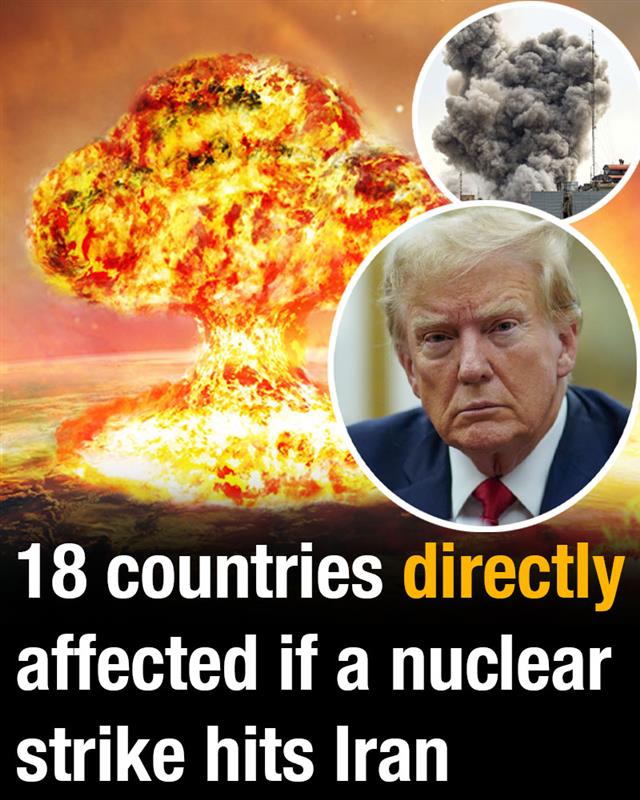
Concerns about global security and rising geopolitical tensions have grown following recent statements from Donald Trump regarding Iran, even as reports of a temporary ceasefire brought short-term relief.
While diplomatic developments continue, analysts say that in a worst-case scenario involving nuclear weapons, the consequences would extend far beyond a single nation—potentially affecting multiple countries across the region.
Understanding the Wider Impact of Nuclear Risk
A nuclear detonation would have immediate and far-reaching effects. The initial blast could cause severe destruction in the surrounding area, while shockwaves and heat would impact regions miles away. However, experts emphasize that the longer-term risks—particularly radioactive fallout—could spread across borders, depending on environmental conditions.
This makes nuclear risk not just a national issue, but a broader international concern tied to public safety, environmental impact, and global stability.
Recent Political Developments
According to reports, Shehbaz Sharif announced that Iran and the United States had agreed to a temporary ceasefire lasting two weeks, easing immediate fears of escalation.
This followed widely discussed comments from Trump, which drew strong reactions online and fueled conversations around international relations and military strategy. At the same time, JD Vance referenced the availability of additional strategic options, adding to speculation about potential next steps.
Iran has also issued warnings about possible responses to any attack, highlighting the risk of a broader regional conflict.
Countries That Could Be Directly Affected
If a nuclear event were to occur in Iran, neighboring nations would likely face the most immediate impact due to geographic proximity and shared borders.
Iran borders several countries, including Iraq, Turkey, Armenia, Turkmenistan, Afghanistan, and Pakistan. These nations could potentially be exposed to fallout depending on wind patterns and other environmental factors.
Across the Persian Gulf region, additional countries may also be affected. These include Kuwait, Bahrain, United Arab Emirates, Qatar, Saudi Arabia, and Oman.
Experts also note that additional countries such as Syria, Lebanon, Israel, and Jordan could face indirect effects depending on how conditions evolve.
Broader Regional and Global Concerns
One key concern involves the region’s reliance on shared resources, particularly water. Many Gulf nations depend on desalination systems, meaning any environmental contamination could create additional public health and infrastructure challenges.
While the exact outcome of such a scenario cannot be predicted with certainty, experts agree on one point: the effects of a nuclear event would not remain confined to one country. Instead, it would have widespread implications for regional stability, environmental safety, and global security.