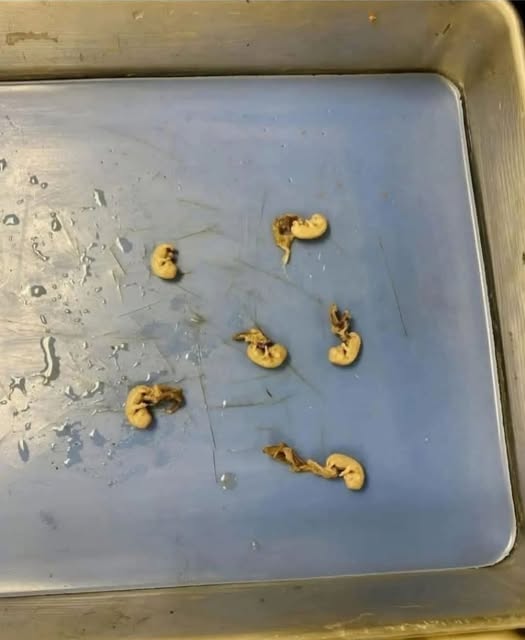
In a world increasingly driven by health trends and “clean eating” labels, most people assume that packaged snacks in their pantry are safe by default. We look for organic seals, non-GMO tags, and “natural” branding, believing these markers guarantee quality. But food safety experts continue to stress an uncomfortable truth: appearance and marketing do not always reflect what’s happening behind the scenes of the global food supply chain.
Many everyday snacks—especially seeds, nuts, and dried mixes—travel through complex international systems before reaching store shelves. Along the way, they pass through multiple facilities, storage environments, and handlers. While most of the industry follows strict safety standards, gaps can still occur, particularly when products are sourced through less regulated channels or handled improperly during processing and transport.
One of the most important concerns is contamination risk. Because seeds and nuts are often eaten without cooking, they do not go through a heat process that would normally eliminate harmful bacteria. When contamination does occur, it can be linked to handling conditions, moisture exposure, or poor sanitation during production. For most people, this may result in mild illness, but for children, older adults, or individuals with weaker immune systems, the risks can be more serious.
Continue reading on the next page…