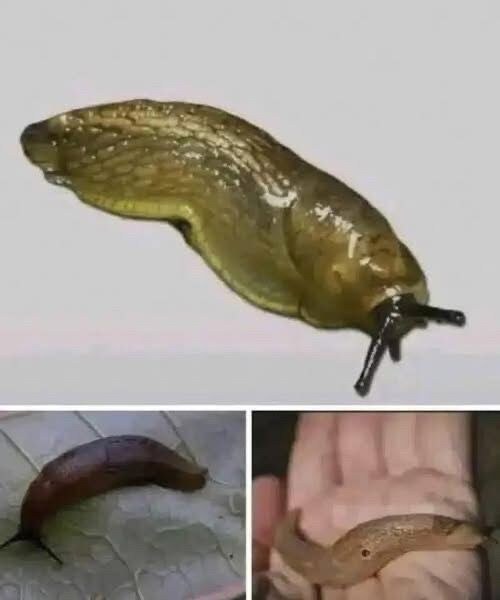
For many people, encountering a slug evokes little more than a grimace. Slimy, slow-moving, and often seen gliding across damp sidewalks or hiding under leaves in the garden, these creatures rarely inspire admiration.
Children shriek at their appearance, and adults often recoil, imagining the trail of slime they leave behind. Yet, behind their slippery, humble exterior lies a remarkable story.
One that spans ecosystems, human health, and scientific innovation. Slugs, though often overlooked or dismissed, are quietly essential to both the natural world and human ingenuity.
Ecological Role: Nature’s Recyclers
In gardens, forests, and grasslands, slugs act as vital recyclers. They primarily feed on decaying plant matter, fungi, and other organic debris, breaking it down into smaller particles that enrich the soil.
This process of decomposition is critical: without organisms like slugs, fallen leaves, rotting wood, and other detritus would accumulate unchecked, impeding new plant growth and altering nutrient cycles.
By consuming decaying matter, slugs help return vital nutrients—nitrogen, phosphorus, potassium—back into the soil, supporting plant health and promoting the growth of trees, shrubs, and garden vegetables. In this way, slugs function as natural gardeners, quietly maintaining the balance of ecosystems.
Continue reading next page…