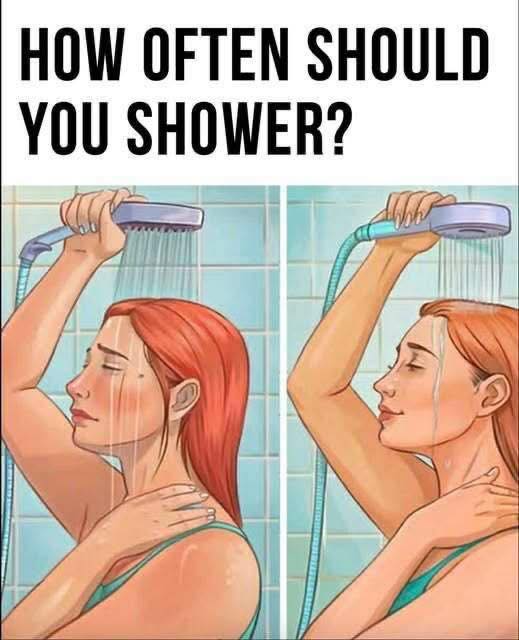
Beyond the loss of moisture, there is the silent destruction of the skin’s microbiome. Much like the gut, the surface of our skin is home to a complex ecosystem of beneficial bacteria that fight off infection and suppress inflammation. Modern hygiene habits, characterized by the overuse of antibacterial soaps and vigorous exfoliating mitts, act as a scorched-earth policy for these healthy microbes. By disrupting this delicate balance, we inadvertently leave ourselves more vulnerable to external pathogens and chronic skin conditions like eczema and contact dermatitis. We are, quite literally, washing away our natural immunity.
The physical toll of excessive bathing extends deep beneath the surface, particularly regarding cardiovascular stability and temperature regulation. For older adults, the risks are even more pronounced. Extremely hot water causes blood vessels to dilate rapidly, which can lead to sudden drops in blood pressure, resulting in dizziness, fatigue, or even fainting spells. Experts now recommend that showers be kept brief and at a lukewarm temperature to avoid stressing the circulatory system. The goal is to refresh the body, not to subject it to a temperature-induced shock.
Furthermore, our hair and scalp are equally susceptible to the perils of over-washing. Frequent shampooing removes the essential oils that give hair its shine and structural integrity. Without these natural lubricants, the hair shaft becomes brittle, leading to breakage and a chronic lack of luster. For the average individual, limiting hair washing to two or three times a week is often sufficient to maintain cleanliness while preserving the hair’s natural moisture and strength.
Ultimately, the path to better health may lie in doing less, not more. By shifting our focus from total sterilization to strategic hygiene, we can allow our bodies to function as they were designed. This doesn’t mean abandoning the shower altogether, but rather adopting a more mindful approach: shorter durations, cooler temperatures, and a focus on washing only the areas that truly require it. In our quest to be perfectly clean, we must be careful not to scrub away the very things that keep us healthy, resilient, and hydrated. Your skin is a living organ, and sometimes, the best thing you can do for it is simply to leave it alone.