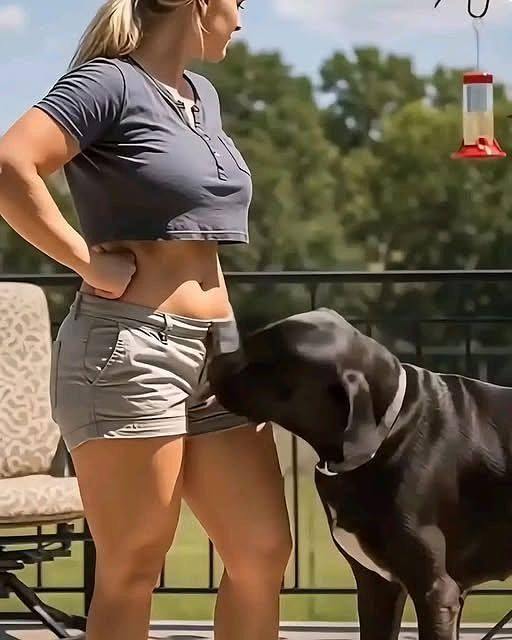
This “gross” behavior is actually a sophisticated data-gathering mission. By sniffing these high-intensity scent zones, a dog can determine if a stranger is a threat, if a familiar friend is feeling stressed, or if a female is in a specific stage of her reproductive cycle. They are essentially reading a biography in a single breath. The moist leather of their nose isn’t just a sensory organ; it’s a sophisticated laboratory equipped with an incredible 300 million olfactory receptors, compared to the measly 6 million found in a human nose.
Furthermore, dogs possess a specialized tool that humans lack: the vomeronasal organ, also known as Jacobson’s organ. Located at the roof of the mouth, this organ serves as a secondary chemical communication system. It detects “invisible” chemical signals that don’t even have a smell in the traditional sense. When you see your dog’s upper lip quiver after a particularly deep sniff, they are using this organ to process complex social data that our human brains simply cannot fathom. They aren’t just smelling you; they are feeling your internal chemistry.
Understanding the science behind the sniff changes the dynamic from one of social shame to one of biological awe. While we perceive an invasion of space, the dog perceives a necessary introduction. Pulling them away too aggressively is the equivalent of someone throwing a blindfold over your eyes in the middle of a conversation. It leaves them disoriented and deprived of the context they need to feel safe and informed in their environment.
The key to managing this behavior isn’t punishment, but redirection and understanding. By recognizing that this is an instinctual drive rather than a behavioral flaw, pet owners can find a balance between social etiquette and biological necessity. Training a reliable “leave it” command allows you to maintain decorum without shaming your dog for a sense they cannot simply turn off. The next time your dog leans in for a forbidden sniff, remember that they aren’t trying to be the “bad dog” at the party. They are simply trying to understand the person in front of them with a level of depth and accuracy that a human handshake could never hope to achieve. Respecting the power of the nose is the first step in truly understanding the silent language of your best friend.