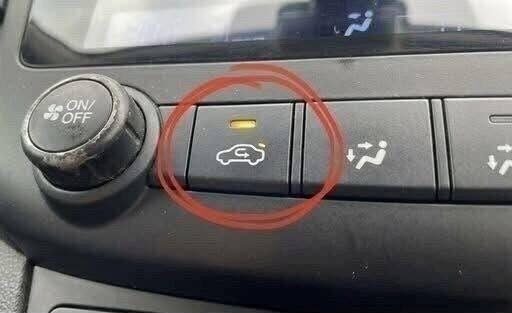
Why Recirculation Improves Cooling Efficiency
One of the biggest advantages of using recirculation is improved climate control efficiency.
Instead of constantly trying to cool or heat outside air, the system works with already-conditioned cabin air. This reduces strain on the air conditioning compressor, helps the cabin reach a comfortable temperature faster, and can contribute to smoother energy usage during long drives.
In hot weather, this difference becomes especially noticeable, as the system doesn’t have to fight against extreme outside temperatures.
Air Quality and Health Benefits While Driving
The recirculation mode is not just about comfort—it also plays a major role in protecting your health while on the road.
When driving through traffic congestion, tunnels, or polluted areas, outside air can contain exhaust fumes, dust, and other airborne irritants. Activating recirculation helps block these pollutants from entering the cabin.
It can also be helpful for drivers sensitive to pollen or seasonal allergens, creating a more controlled breathing environment inside the vehicle.
When You Should Use Fresh Air Mode
While recirculation has clear advantages, using it continuously is not recommended.
Over time, breathing inside a closed environment increases carbon dioxide levels, which may contribute to fatigue and reduced alertness. It can also trap moisture inside the cabin, especially during rainy or cold conditions, leading to fogged windows and reduced visibility.
For this reason, fresh air mode is essential during long drives or whenever airflow and visibility need to stay optimal.
Common Mistakes Drivers Make
Many drivers either overuse or underuse the recirculation function. Keeping it on all the time can make the cabin feel stuffy and increase window fogging, while never using it can reduce cooling efficiency and expose passengers to polluted air.
The key is balance—switching between modes based on driving conditions ensures both comfort and safety.
Simple Maintenance Tip for Better Air Quality
Even the best use of recirculation won’t help if your cabin air filter is dirty. This filter is responsible for trapping dust, pollutants, and allergens before they enter your vehicle.
Regular replacement keeps airflow clean and efficient, ensuring that both fresh air and recirculated air remain safe to breathe.
Final Thoughts
The air recirculation button may seem like a small detail, but it has a big impact on comfort, safety, and efficiency. Learning when to use it—and when to switch it off—can significantly improve your driving experience.
If you found this helpful, stay tuned for more practical car tips and everyday driving insights to make your time on the road smarter and safer.