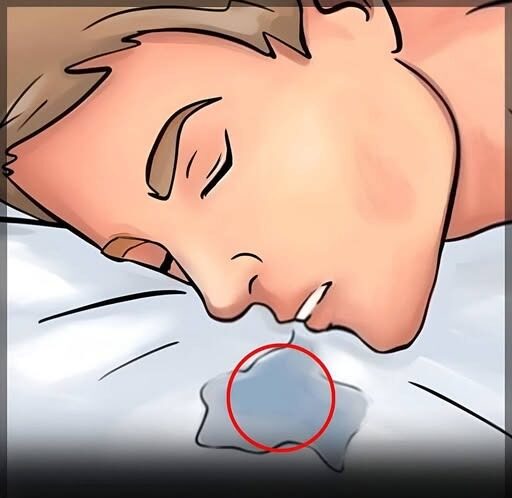
Let’s get this straight: drooling while you sleep is usually completely normal. It happens to many people and is rarely a sign of serious health issues. That said, it can be embarrassing—especially if it happens on a bus, an airplane, or your mother-in-law’s brand-new couch.
While most cases are harmless, sometimes drooling at night can point to underlying health conditions. Here’s what might be causing it, how to manage it, and when you should see a doctor.
10 Common Reasons You Drool While Sleeping
- Sleep Position
Sleeping on your side or stomach makes drooling more likely. Your face and jaw muscles relax, saliva can escape, and nasal congestion may force you to breathe through your mouth, increasing the chances of a wet pillow.
- Medication Side Effects
Certain drugs—like sedatives, antipsychotics, some antibiotics, and even NSAIDs—can trigger drooling. If this bothers you, consult your doctor before making any changes. - Nasal Congestion
A stuffy nose from allergies or a cold can lead to mouth breathing and drooling. This is usually temporary and resolves when your congestion clears. - Deviated Septum
An off-center nasal septum can block airflow, causing mouth breathing and excess saliva at night. Surgery may help, but only a doctor can determine if it’s necessary. - Sleep Apnea
Sleep apnea causes pauses in breathing and often leads to mouth breathing and drooling. Loud snoring, choking sounds, or feeling unrested may be signs. A sleep specialist can guide you on treatment options.
Continue reading on next page…