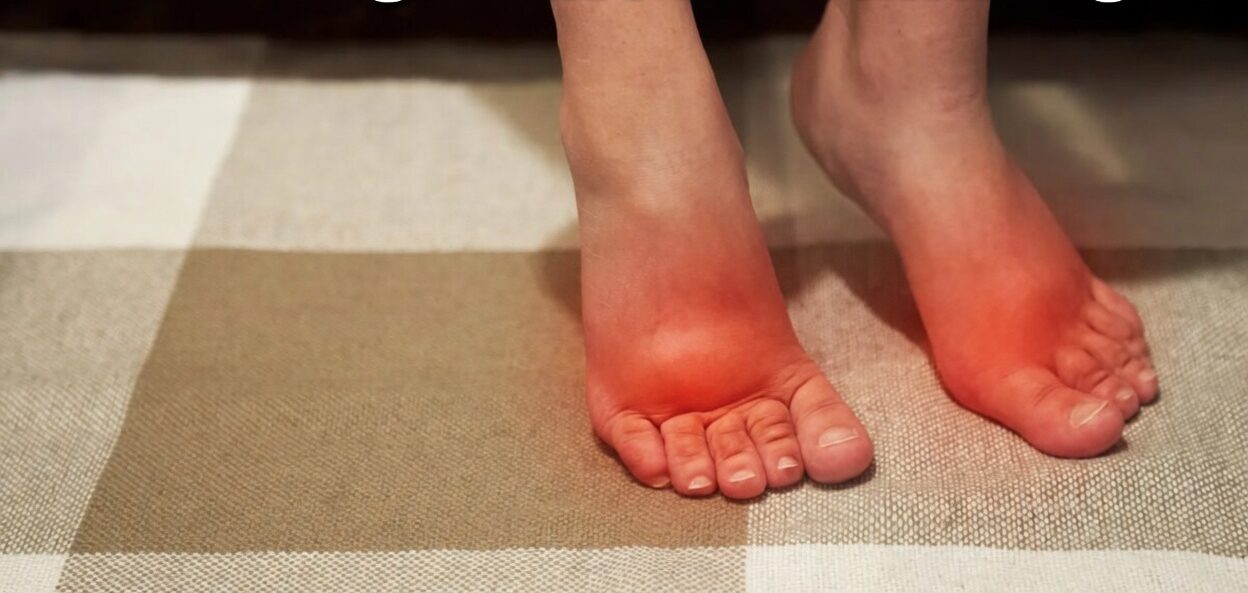
How Nutrition Can Help Reduce Swelling
The foods you eat play a major role in maintaining healthy fluid balance. Specific nutrients help regulate electrolytes, support blood vessel health, and assist the kidneys in removing excess fluid more efficiently.
Adding these key nutrients to your diet may help reduce occasional swelling and improve overall circulation.
Potassium: Balancing Sodium Naturally
Potassium helps counteract the effects of sodium, which is one of the main drivers of water retention. When potassium levels are low, the body tends to hold onto extra fluid.
Excellent food sources include bananas, avocados, sweet potatoes, spinach, and white beans. Including these foods regularly can help support a healthier fluid balance.
Magnesium: Supporting Muscle and Fluid Balance
Magnesium plays an important role in muscle function, circulation, and fluid regulation. It may be especially helpful for reducing water retention related to hormonal fluctuations.
Foods rich in magnesium include pumpkin seeds, almonds, spinach, black beans, and dark chocolate.
Omega-3 Fatty Acids: Fighting Inflammation
Inflammation can contribute to fluid buildup by making blood vessels more permeable. Omega-3 fatty acids help reduce inflammation while supporting heart and circulatory health.
Fatty fish such as salmon, sardines, and mackerel are among the best sources. Plant-based options include chia seeds, flaxseeds, and walnuts.
Vitamin B6: Helping Regulate Fluids
Vitamin B6 supports hormone balance and kidney function, both of which influence how the body manages fluids.
Good sources include chickpeas, chicken, tuna, sunflower seeds, and bell peppers.
Bioflavonoids: Strengthening Blood Vessels
Bioflavonoids help support capillary strength and reduce fluid leakage into surrounding tissues. They work particularly well alongside vitamin C.
You’ll find them in citrus fruits, berries, apples, green tea, and buckwheat.
Daily Habits That Support Healthy Circulation
Nutrition works best when paired with healthy daily habits. Simple lifestyle changes can make a significant difference in reducing swelling.
Take short walks throughout the day to activate circulation. Elevate your legs when resting. Drink enough water to stay hydrated. Consider compression socks if you spend long hours standing or sitting. Limiting highly processed and salty foods can also help.
When Swelling Requires Medical Attention
While mild swelling is often manageable, some symptoms should never be ignored. Seek prompt medical care if you notice swelling in only one leg, redness, warmth, pain, sudden shortness of breath, or persistent indentation after pressing on the skin.
These signs may indicate a more serious underlying condition that requires immediate evaluation.
A Smarter Approach to Relief
Managing swelling isn’t about quick fixes or fad remedies. It’s about supporting your body through proper nutrition, movement, and healthy habits.
With the right approach, you can reduce discomfort, improve circulation, and feel lighter and more energized throughout the day.
Important Note
This article is for informational purposes only and should not be considered medical advice. Always consult a qualified healthcare professional before making changes to your diet, supplements, or health routine.
Join the Conversation
Have you experienced swelling in your legs or ankles? What strategies have worked for you? Share your thoughts and experiences in the comments below.