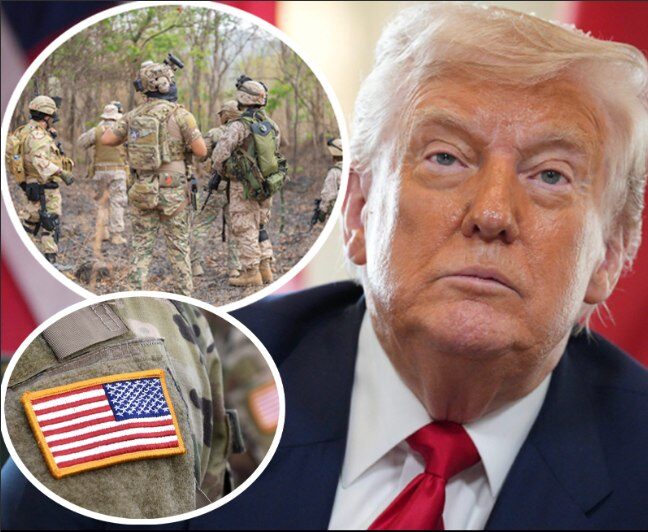
Rising global tensions have pushed a long‑simmering question back into public view: if a major war broke out, who in the United States might be called to serve—and who wouldn’t?
Recent U.S.–Iran tensions have fueled this discussion. In June 2025, the United States and its allies carried out airstrikes on Iranian nuclear and military sites as part of the broader Iran–Israel conflict, marking a dramatic escalation in regional hostilities. Iran responded with missile strikes on U.S. forces in Qatar and warned it would treat U.S. bases as legitimate targets if attacked further. In 2026, diplomacy continues alongside warnings of serious consequences if Iran does not agree to strict nuclear terms, while both sides maintain military readiness as negotiations proceed in Geneva.
These developments have revived speculation about the possibility of reinstating a military draft—a system the U.S. hasn’t used since the Vietnam War era. Unlike today’s all‑volunteer force, a draft would require Congress and the President to authorize compulsory enlistment in response to a formal national emergency.
What the Draft System Looks Like
The United States still maintains a contingency mechanism for conscription called the Selective Service System. Under current law, almost all male U.S. citizens and male immigrants between ages 18 and 25 must register with Selective Service so that a list exists should a draft ever be authorized. Registration itself does not mean someone will be drafted—it simply creates a pool of eligible people.
Continue reading on the next page…