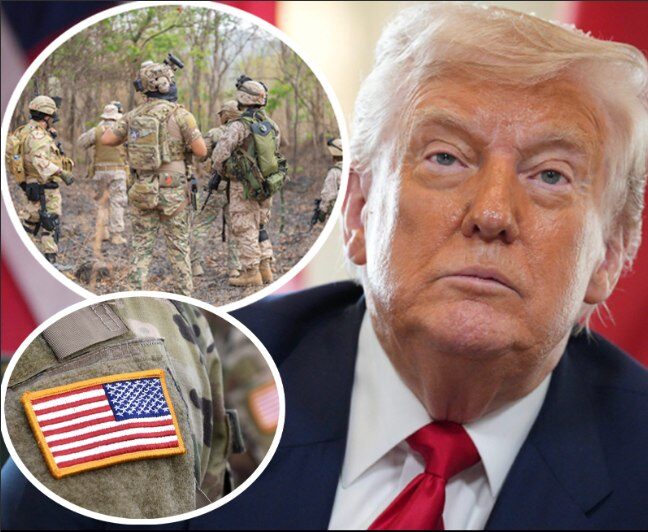
If Congress authorized a draft in a national crisis, the Selective Service System would call people up based on age group and a lottery sequence tied to birthdays. Registrants would then undergo physical and psychological screening before any induction or possible deferment. Women are not currently required to register under existing law, though that topic has been debated in the past.
Who Would Be Eligible If a Draft Happened?
Young men ages 18–25 who have registered are first in line via lottery and age priority.
After age 25, registrants remain eligible for service if Congress and the President activate that authority, but regular registration stops at the upper end of that age range.
Exemptions or deferments are possible for people with medical conditions, conscientious or religious objections, caregivers, some essential workers, and certain professionals.
Draft induction would only happen with formal authorization; registration alone does not trigger conscription.
What People Should Know Now
There is no active draft today and no formal announcement that one is imminent. But because geopolitical tensions remain high and public concern has grown along with news cycles about military readiness, conversations about how a draft would work—including who would be eligible—are getting more attention.
Keeping informed about how the Selective Service System operates—why registration matters and what it does and does not mean—can help people understand their rights and responsibilities in uncertain times.
What are your thoughts on the idea of a U.S. military draft in a future conflict? Share your views below and join the discussion.