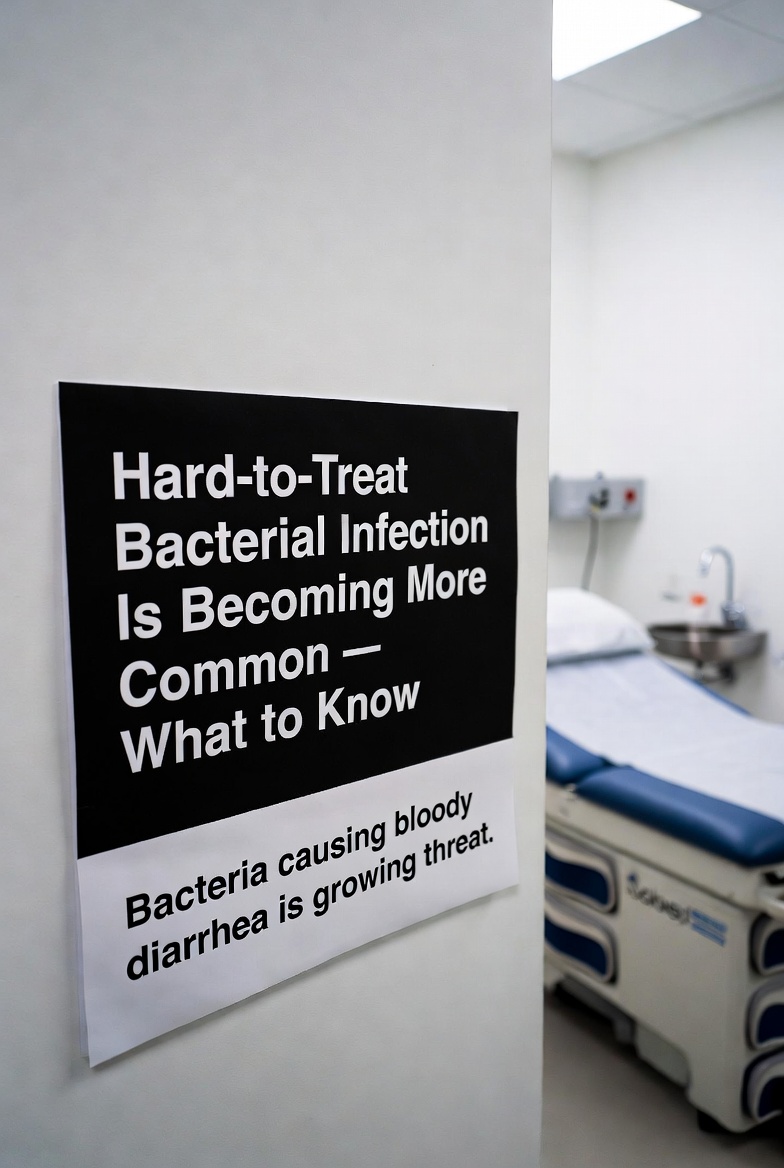
A Hard-to-Treat Bacterial Infection Is Becoming More Common — What to Know
Public health officials have noted a steady increase in cases of extensively drug-resistant Shigella infections in the United States. These infections, known as shigellosis, are caused by Shigella bacteria and frequently result in severe gastrointestinal symptoms, including bloody diarrhea. The rise in strains resistant to multiple antibiotics presents a growing challenge for treatment and underscores the importance of prevention and awareness.
Understanding Shigellosis Shigellosis is an intestinal infection triggered by Shigella bacteria. These pathogens invade the lining of the colon, leading to inflammation. According to the Centers for Disease Control and Prevention (CDC), Shigella causes an estimated 450,000 infections annually in the United States. While many cases remain mild, certain strains have become significantly harder to manage due to antimicrobial resistance.
Common Symptoms Symptoms of shigellosis typically appear one to two days after exposure and may include:
- Diarrhea that can be watery, bloody, or prolonged (lasting more than three days)
- Abdominal cramps and pain
- Fever
- A persistent urge to pass stool even when the bowels are empty (tenesmus)
- Occasional nausea or vomiting
In most individuals, symptoms resolve within five to seven days with supportive care. However, complications such as dehydration or, rarely, more serious conditions can occur, particularly among vulnerable populations.
Continue reading on the next page…