Transmission and Risk Factors Shigella spreads easily through the fecal-oral route. Common modes of transmission include:
- Person-to-person contact in households, crowded settings, or during sexual activity
- Consumption of contaminated food or water
- Contact with surfaces or objects carrying the bacteria
Recent surveillance data indicate that extensively drug-resistant (XDR) strains disproportionately affect adult men, including those who have sex with men, individuals living with HIV, and people experiencing homelessness. International travelers to areas with inadequate sanitation also face elevated risk.
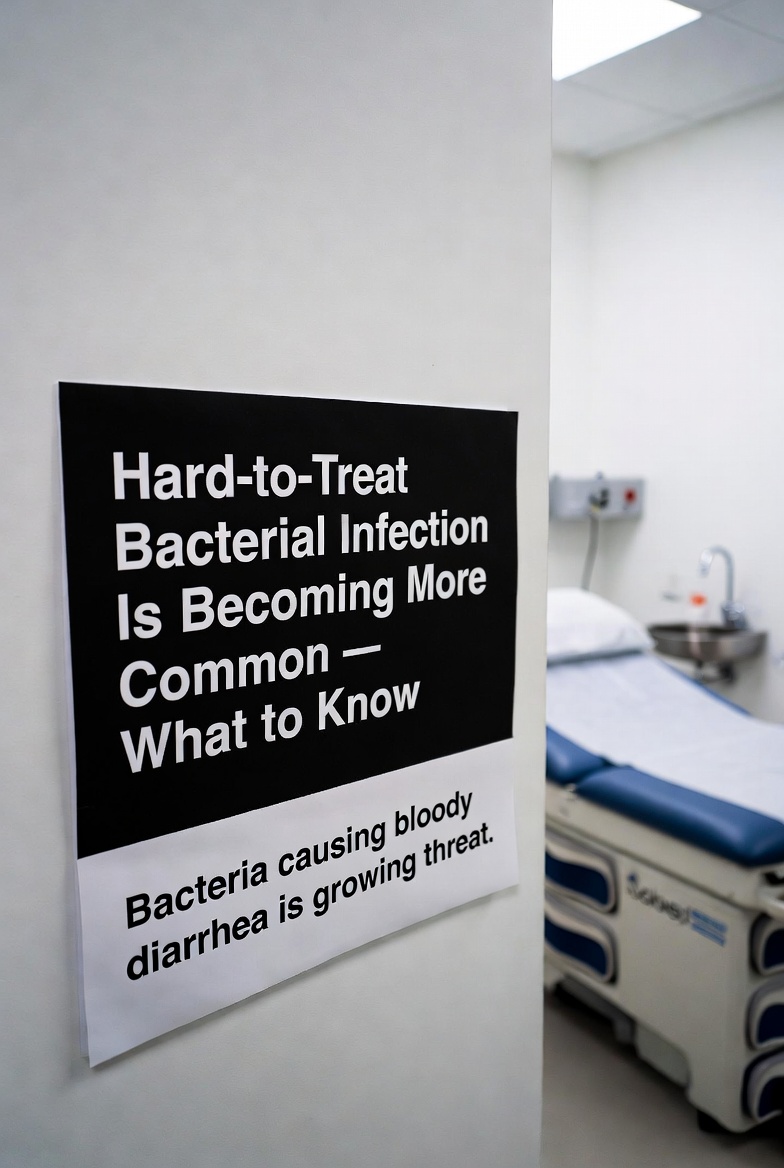
The Challenge of Antibiotic Resistance A recent CDC analysis of nearly 17,000 Shigella isolates revealed that the proportion of extensively drug-resistant strains rose from 0 percent between 2011 and 2015 to 8.5 percent in 2023. These XDR strains resist multiple first-line antibiotics, including azithromycin, ciprofloxacin, ceftriaxone, ampicillin, and trimethoprim-sulfamethoxazole. As a result, standard oral treatments may prove ineffective, potentially prolonging illness and increasing transmission risk. No FDA-approved oral antibiotic is currently available for these resistant infections, making laboratory-guided testing essential when antibiotics are considered.
Prevention Strategies Prevention remains the most reliable defense against shigellosis. Key measures include:
- Thorough handwashing with soap and water after using the bathroom, before preparing food, and after changing diapers
- Avoiding swallowing water from recreational sources such as pools or lakes
- Practicing safe food handling and ensuring proper cooking temperatures
- Consuming only treated or bottled water when traveling to regions with poor sanitation
- Maintaining good personal hygiene during sexual activity and avoiding contact if infected
These simple steps can substantially reduce the likelihood of infection and limit community spread.
Treatment and Management Many cases of shigellosis improve without antibiotics through rest and adequate fluid intake to prevent dehydration. Healthcare providers generally reserve antibiotics for severe or high-risk cases and base decisions on antimicrobial susceptibility testing. Anti-diarrheal medications, such as loperamide, are not recommended, as they may prolong the infection. Individuals experiencing bloody or prolonged diarrhea should consult a physician promptly for proper evaluation.
When to Seek Medical Attention Contact a healthcare professional if symptoms include bloody diarrhea, high fever, severe abdominal pain, or signs of dehydration (such as dizziness, dry mouth, or reduced urine output). Early assessment allows for appropriate management and helps prevent complications.
Conclusion The increase in drug-resistant Shigella infections highlights the need for continued vigilance and public health measures. By adopting consistent hygiene practices and seeking timely medical care when necessary, individuals can help curb transmission and protect community health. Ongoing surveillance by authorities such as the CDC will provide further guidance as this situation evolves.
This article is for informational purposes only and does not constitute medical advice. Readers should consult a qualified healthcare provider for personalized guidance regarding symptoms or treatment.