A Moment Captured in Words
What makes this letter especially powerful is its timing.
Written just weeks before a major turning point in American history, it carries a sense of urgency and reflection. It offers a snapshot of a moment when personal thoughts intersected with the weight of public responsibility.
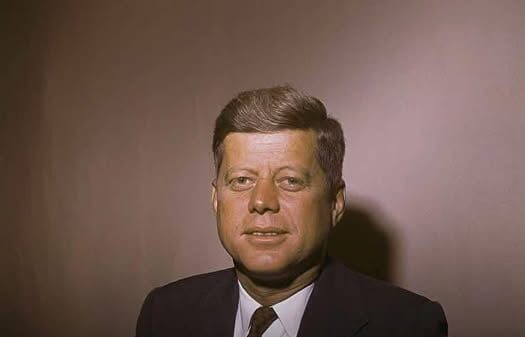
Though brief, historians view it as a rare glimpse into the emotional depth of a leader often remembered only for his public role.
A Story Surrounded by Questions
The story doesn’t end with the letter.
Mary Pinchot Meyer’s life has long been a subject of curiosity. Her death in 1964 raised questions that, for many, were never fully answered. Over time, details surrounding her life—and missing personal writings—have only deepened the mystery.
While official investigations were conducted, public interest has continued, blending fact with ongoing speculation.
These unanswered elements add another layer to a story that remains both historical and deeply intriguing.
From Private Note to Historical Artifact
Years later, the letter itself became a piece of history.
When it was eventually auctioned, it sold for nearly $89,000—highlighting its significance beyond just words on paper. It became a symbol of something larger: the unseen, personal side of public life.
More than its value, the letter stands as a reminder that history is not just built on events—it’s shaped by human experiences.
Seeing History Through a Different Lens
We often understand history through major moments—speeches, decisions, and headlines. But sometimes, it’s the quieter details that reveal the most truth.
This letter doesn’t change history. It deepens it.
It reminds us that behind every public figure is a private individual navigating thoughts, relationships, and emotions just like anyone else.
And that’s what makes it resonate even today.
Final Thoughts
Stories like this invite us to look beyond the surface and see history in a more human way. If this perspective surprised you, share your thoughts below—what do you think we still don’t know about the people who shaped history?