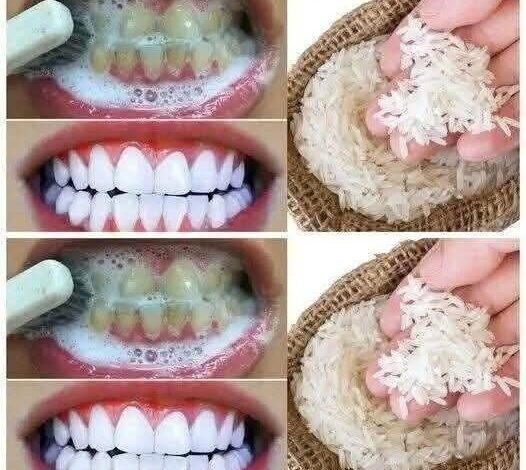
The search for a brighter, “Hollywood smile” has fueled a surge in DIY beauty trends across social media in 2026. One of the most talked-about hacks involves using rice flour as a fast, at-home teeth whitening remedy. Viral videos claim the method can visibly whiten teeth in as little as 60 seconds using a simple mix of ground rice, lemon juice, olive oil, and toothpaste.
While the ingredients may seem affordable and “all-natural,” dental professionals say the science behind the trend tells a very different story — and it could lead to long-term enamel damage.
Why Rice Flour Appears to Whiten Teeth
The quick brightness people notice isn’t true whitening in the clinical sense. Instead, it’s caused by two temporary effects:
1. Abrasion
Finely ground rice acts as a physical scrub. On a microscopic level, the gritty particles work like sandpaper, removing surface stains from coffee, tea, or tobacco. This can make teeth look cleaner immediately — but it also wears down enamel.
2. Acid Dehydration
Lemon juice contains citric acid, which can temporarily dehydrate tooth enamel. When enamel loses moisture, it reflects light differently, creating a chalky, whiter appearance. However, this effect fades once teeth rehydrate with saliva.
The combination of acid and abrasion is what concerns dentists most.
The Real Risk: Permanent Enamel Erosion
Tooth enamel is the hardest substance in the human body — but it cannot regenerate. Once it thins, it’s gone permanently.
Repeated use of abrasive powders and acidic ingredients can:
- Weaken enamel structure
- Increase tooth sensitivity
- Cause micro-cracks
- Raise the risk of cavities
- Expose yellowish dentin underneath
Ironically, as enamel wears away, teeth may appear more yellow over time because dentin — the layer beneath enamel — is naturally darker.
Dental professionals report seeing more cases of “trend-related erosion,” where patients experience enamel thinning and sensitivity after following viral DIY whitening methods.
Why “Natural” Doesn’t Always Mean Safe
Many viral beauty hacks are marketed as natural remedies. However, natural substances can still be harmful in certain forms:
- Citric acid (from lemon juice) is highly erosive to enamel.
- Powdered rice becomes an abrasive compound when scrubbed onto teeth.
Without professional guidance, repeated exposure can lead to costly dental treatments such as fillings, bonding, or enamel repair procedures.
Safer Alternatives for a Brighter Smile
For those looking for effective teeth whitening options without risking enamel health, dentists recommend evidence-based methods:
1. ADA-Approved Whitening Products
Professional whitening systems use hydrogen peroxide or carbamide peroxide to safely break down deep stains without scraping enamel. These treatments are clinically tested and widely used in cosmetic dentistry.
2. Professional In-Office Whitening
Dentist-supervised procedures can provide noticeable results while protecting enamel with fluoride treatments.
3. Mild Baking Soda Use
Baking soda (sodium bicarbonate) is a gentler abrasive and has a basic pH that can help neutralize acids. However, it should only be used occasionally — not daily.
4. Preventative Oral Care
Maintaining good oral hygiene is still the most effective long-term strategy. This includes:
- Brushing twice daily with fluoride toothpaste
- Rinsing with water after coffee, wine, or soda
- Eating crunchy vegetables like carrots and celery
- Scheduling regular dental cleanings
The Bottom Line
Quick beauty hacks often promise dramatic results, but teeth whitening is best approached with long-term oral health in mind. A 60-second trend may offer temporary brightness, but enamel damage can last a lifetime.
A healthy smile isn’t built on shortcuts — it’s maintained through consistent dental care, safe whitening practices, and informed decisions. Protecting enamel today helps preserve a strong, confident smile for years to come.