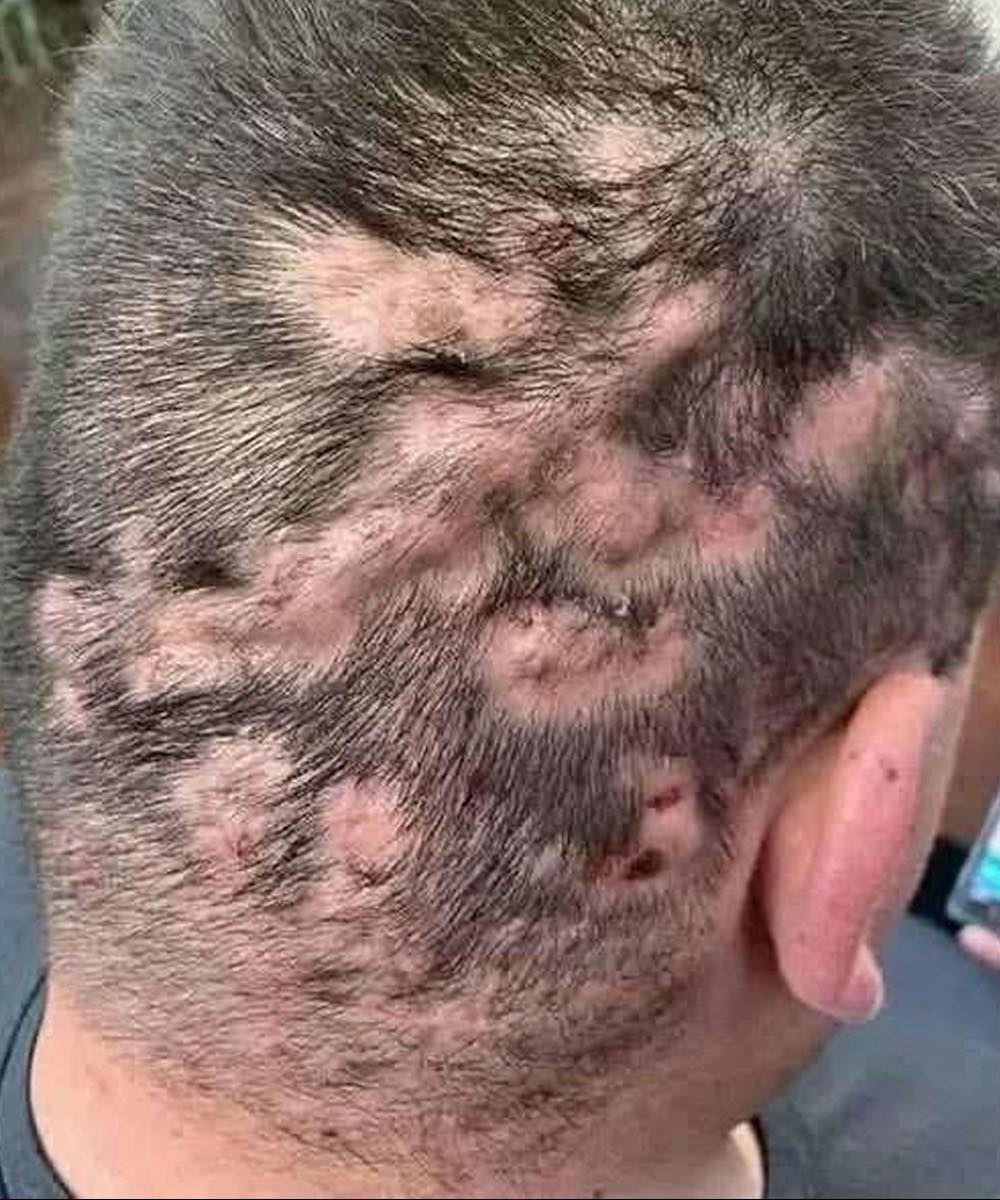
Other factors that may contribute include:
- Excess weight, which is closely linked to insulin resistance
- Hormonal conditions like Polycystic Ovary Syndrome
- Genetic tendencies
- Certain medications
- Rare underlying medical conditions
In some cases, these skin changes may be an early warning sign of Type 2 Diabetes.
Signs You Shouldn’t Ignore
These patches are usually painless and develop slowly, which makes them easy to overlook. However, pay closer attention if you notice:
- Rapid spreading or sudden appearance
- Increased thickness or darkening
- Other symptoms like fatigue, frequent thirst, or frequent urination
These could indicate changes in blood sugar levels that need attention.
When to Check With a Doctor
If the patches persist or worsen, it’s a good idea to speak with a healthcare provider. Simple tests—such as blood glucose or insulin levels—can help identify any underlying concerns early.
Early awareness can make a big difference, especially in preventing or managing long-term health conditions.
Listening to Your Body’s Signals
Your skin often reflects your internal health more than you might think. In this case, these changes can be a quiet signal—not something to panic about, but something worth understanding and monitoring.
Stay Informed
Have you or someone you know noticed similar skin changes? Share your experience or thoughts—your insight could help others recognize early signs and take action.