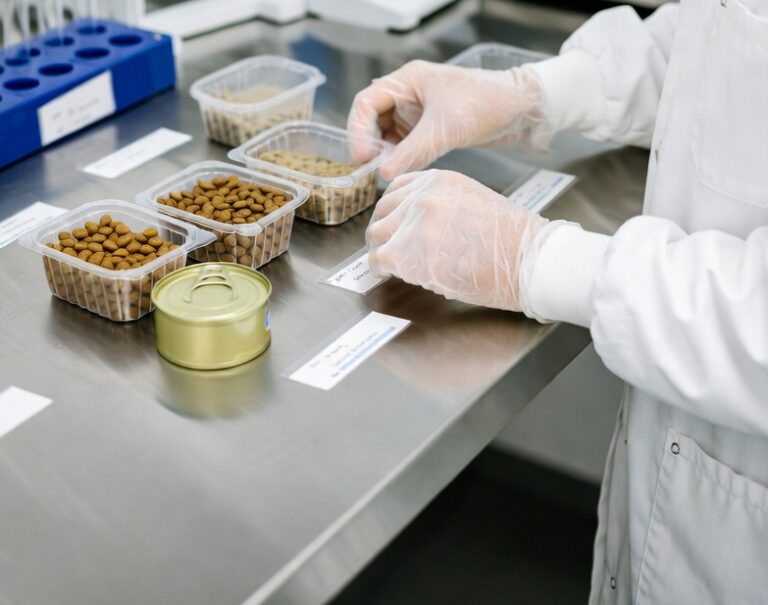
- Dry foods generally contained measurable amounts per gram.
- Wet foods often showed lower concentrations per gram, but because pets may consume larger portions, total exposure could differ over time.
Researchers emphasized that the detected levels varied widely and that additional studies are needed to better understand what these findings mean for long-term pet health.
Why Ongoing Research Matters
Previous animal studies have suggested that PFAS exposure may affect biological systems, including organs such as the liver and kidneys. However, experts caution that understanding real-world impact requires careful, long-term investigation.
Environmental scientists stress that PFAS are not limited to pet food—they are present in many aspects of modern life. That’s why continued monitoring, clearer safety standards, and transparent sourcing practices remain important topics for regulators and manufacturers alike.
What Pet Owners Can Do
For pet owners who want to stay informed, experts recommend:
- Reviewing ingredient sourcing information when available
- Following updates from veterinary and environmental health organizations
- Staying aware of ongoing research developments

While the presence of environmental chemicals is an evolving area of study, researchers say the goal is to strengthen safety guidelines and provide clearer information to consumers over time.
As science continues to uncover how these substances move through ecosystems, the focus remains on improving food safety standards for both people and their pets.
What are your thoughts on environmental research like this? Share your perspective in the comments and join the conversation about pet health and safety.