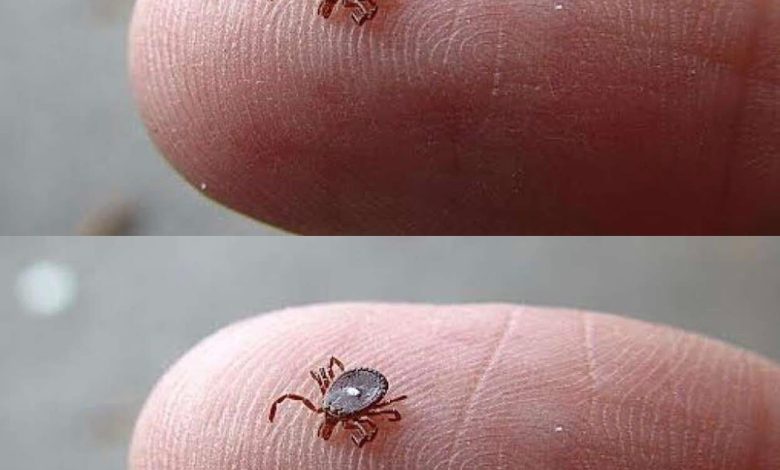
A Sudden Encounter That Changes Everything
Finding a Lone Star tick on your skin is never a calm experience. It often starts with a moment of shock—a tiny, unfamiliar speck that instantly triggers concern. In that moment, awareness kicks in, and the priority becomes careful, proper removal.
Using fine-tipped tweezers, the goal is to pull the tick straight out with steady pressure. This helps ensure nothing is left behind, reducing the risk of irritation or infection.
What to Do Immediately After Removal
Once the tick is removed, cleaning the area thoroughly is essential. Washing with soap and applying antiseptic helps protect the skin and supports proper healing.
Some people choose to store the tick in a sealed container and note when and where the bite occurred. This can be useful if symptoms develop later and medical advice is needed.
Monitoring for Symptoms in the Days Ahead
After a tick bite, staying alert is important. Watch for changes such as unusual rashes, fever, fatigue, or muscle discomfort. While many bites do not lead to illness, early awareness makes a difference if something does develop.
Regular skin checks also become part of the routine, especially after spending time outdoors.
Continue reading on the next page…