Extending Protection to Pets and Home
Ticks don’t just affect people—they can also attach to pets and enter the home unnoticed. Checking animals carefully after outdoor activity helps reduce the chances of ticks spreading indoors.
Maintaining your yard can also make a big difference. Keeping grass trimmed and reducing dense, damp areas helps limit places where ticks thrive.
Adjusting Outdoor Habits for Safety
Experiences like this often lead to small but important changes. Wearing long sleeves and pants, using insect repellent, and securing clothing openings can reduce exposure during outdoor activities.
These simple precautions allow you to continue enjoying nature while lowering potential risks.
Understanding the Bigger Health Picture
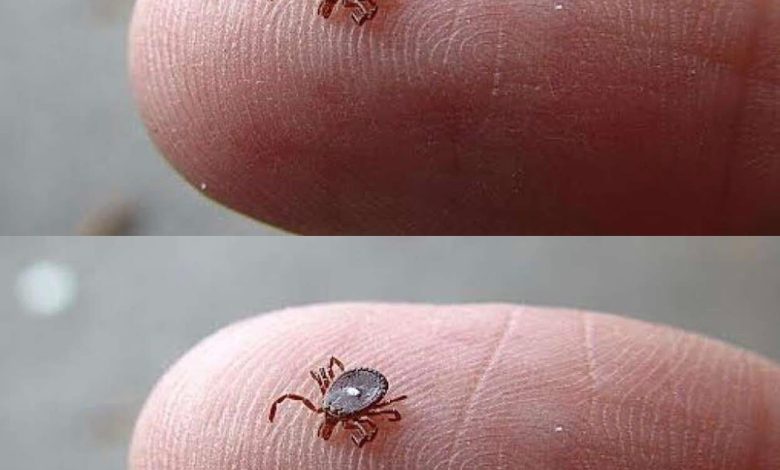
One reason ticks raise concern is their connection to certain health conditions, including Alpha-gal syndrome. While not every tick carries risks, awareness and prevention are key to staying safe.
Learning about these possibilities helps turn fear into informed action.
From Fear to Preparedness
What begins as a stressful moment can become a valuable lesson in awareness and prevention. Over time, caution replaces panic, and routines develop that make outdoor spaces feel safe again.
Preparedness doesn’t take away the enjoyment of nature—it simply adds a layer of protection.
Final Thoughts
A single encounter can change how you approach the outdoors, but it doesn’t have to limit your experiences. With the right knowledge and habits, you can stay safe while still enjoying the world around you.
If this guide helped you feel more prepared, share it with others and stay informed—awareness is the best defense when it comes to protecting yourself and your family.