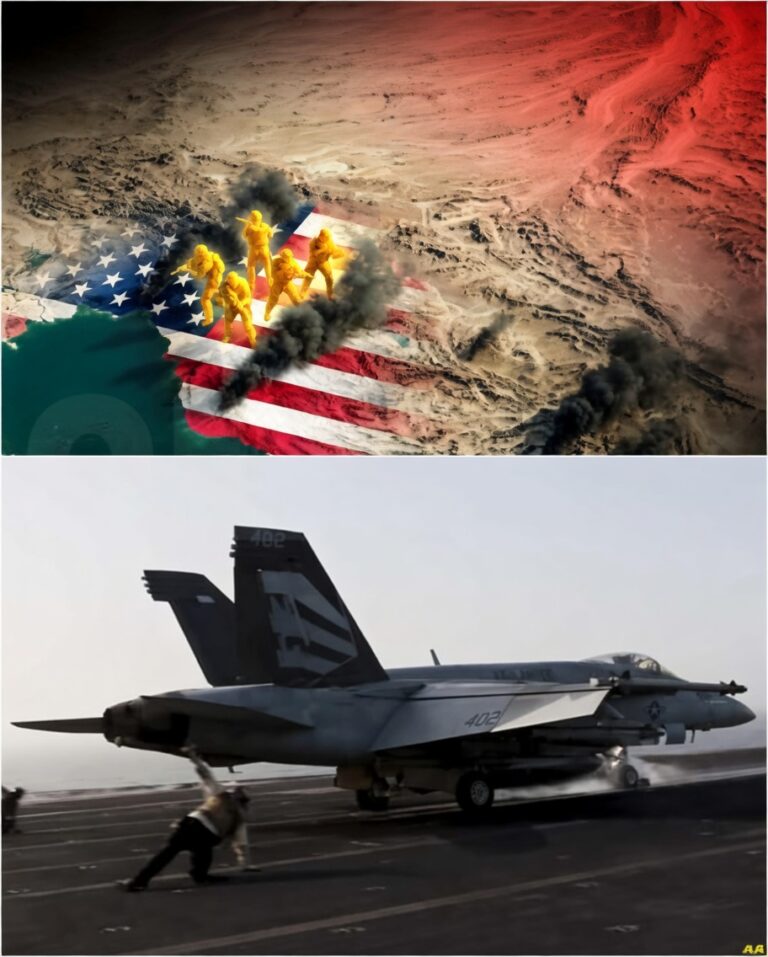
Tensions between the United States and Iran have once again captured global attention, with every statement, movement, and report sparking speculation about what might come next. Headlines often paint dramatic pictures of imminent conflict, but the reality is far more nuanced—layered strategies, careful calculation, and uncertainty dominate the landscape. Analysts, policymakers, and observers are watching closely, especially around Iran’s nuclear program and regional influence, knowing that every move could ripple far beyond the Middle East.
Decades of Complexity
The U.S.–Iran relationship is shaped by decades of political friction, sanctions, and regional conflicts. At the heart of current concerns is Iran’s nuclear program. International bodies like the International Atomic Energy Agency continuously monitor uranium enrichment levels, assessing compliance with agreements. While Iran insists its program is peaceful, suspicions of potential weaponization remain, driving careful strategic planning on all sides.
Military Strategy: Airpower, Special Forces, and Precision
Modern military analysts frequently highlight airpower as a tool to project force without large-scale ground deployment. In hypothetical scenarios, targeted strikes could disrupt critical infrastructure or military installations—but most public claims about sweeping destruction are unverified.
Special operations units, trained for high-risk missions, are sometimes mentioned in discussions of nuclear facilities. These missions carry enormous risks: heavily fortified targets, potential resistance, hazardous materials, and extraction challenges make them last-resort options rather than standard strategies. Geographic realities—remote sites in Fordow, Natanz, and Isfahan with underground complexes—further complicate any operation.
Continue reading on next page…