Strategic Waterways and Rapid Response
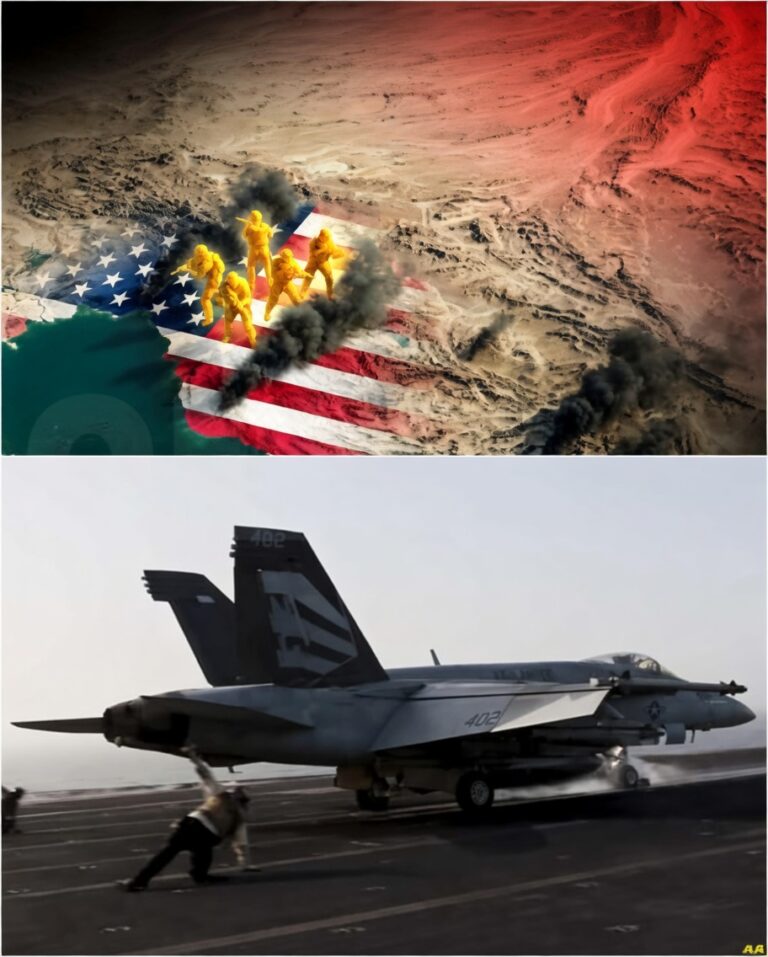
The Strait of Hormuz remains a focal point. This narrow passage funnels a significant percentage of global oil shipments, making security vital. Naval deployments ensure freedom of navigation and deter threats, while rapid-response Marine Expeditionary Units provide flexible, on-the-ground support for evacuations, security, and emerging crises.
Diplomacy, Information, and Misinformation
Information warfare has become just as important as military power. Social media and online platforms amplify claims, images, and videos, making verification critical. Relying on credible sources and independent reporting is essential to separate fact from speculation. Meanwhile, diplomacy continues alongside other strategies. Negotiations, inspections, and agreements offer opportunities to address nuclear concerns without escalating conflict, demonstrating that dialogue remains a key tool.
Regional and Global Implications
Any escalation carries global consequences—shifts in energy markets, regional alliances, and economic stability are all at stake. Policymakers weigh immediate tactical moves against long-term strategic effects, balancing caution with decisive action.
The Bottom Line
While headlines may focus on military action, the real story is far more complex. U.S.–Iran relations involve careful planning, layered strategies, and ongoing diplomatic efforts. Full-scale conflict is not inevitable, and targeted, measured approaches remain the priority.
Understanding these nuances is key to navigating news, discussions, and debates. Stay informed, stay critical, and follow updates from credible sources—because in a world of uncertainty, knowledge is the strongest defense.
Want to stay ahead on global affairs? Follow our updates for clear, verified insights on the issues shaping our world.