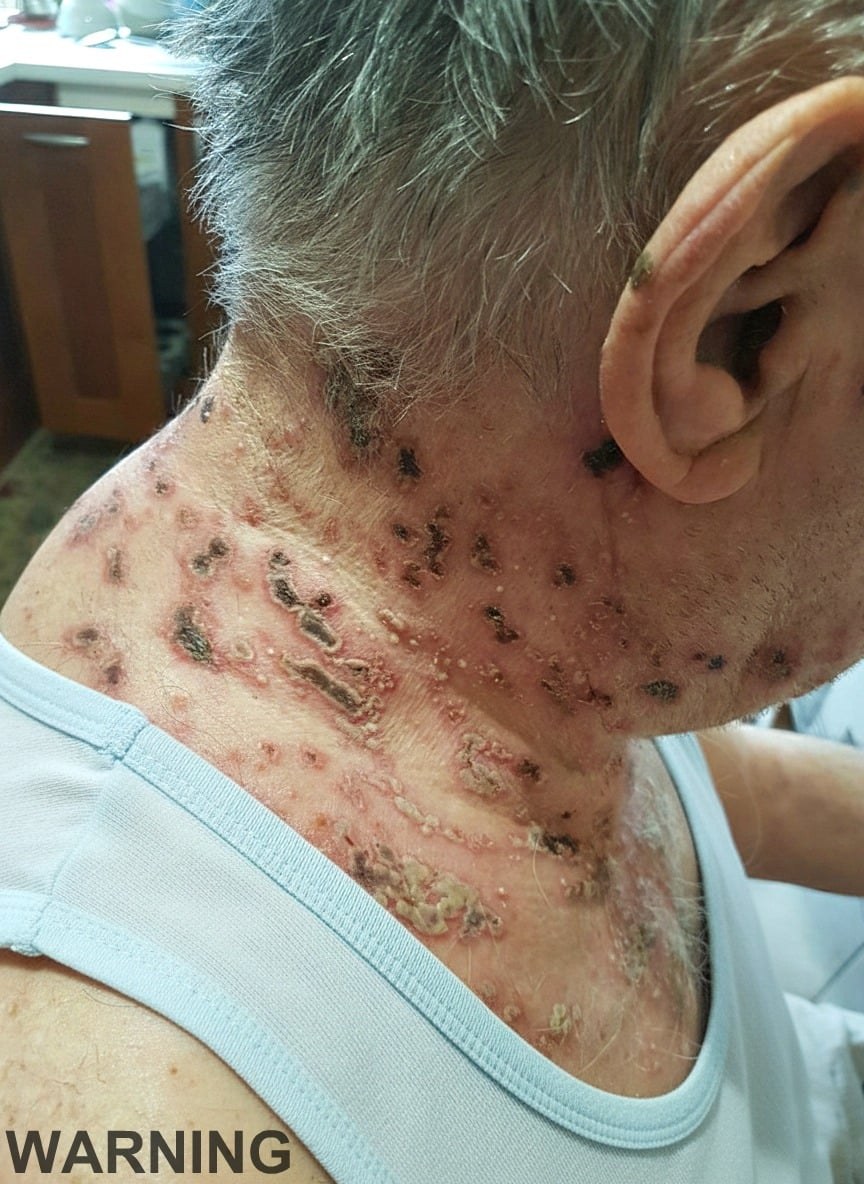
Why Shingles Deserves More Attention
Many people think of chickenpox as a childhood illness that comes and goes. Once the itchy rash fades, it seems like the experience is over for good. But the virus behind chickenpox has a remarkable ability to remain in the body long after recovery.
Instead of disappearing completely, it becomes inactive and settles within the nervous system, where it can remain dormant for years—or even decades. Under certain conditions, it can reactivate later in life as shingles.
What Exactly Is Shingles?
Shingles, also known as herpes zoster, occurs when the varicella-zoster virus becomes active again. This is the same virus that causes chickenpox.
When reactivated, it travels along nerve pathways to the skin, often causing pain, tingling, and a distinctive rash. Unlike many skin conditions, shingles usually appears in a narrow band or strip on one side of the body or face.
This unique pattern helps healthcare professionals quickly identify the condition.
Continue reading on the next page…