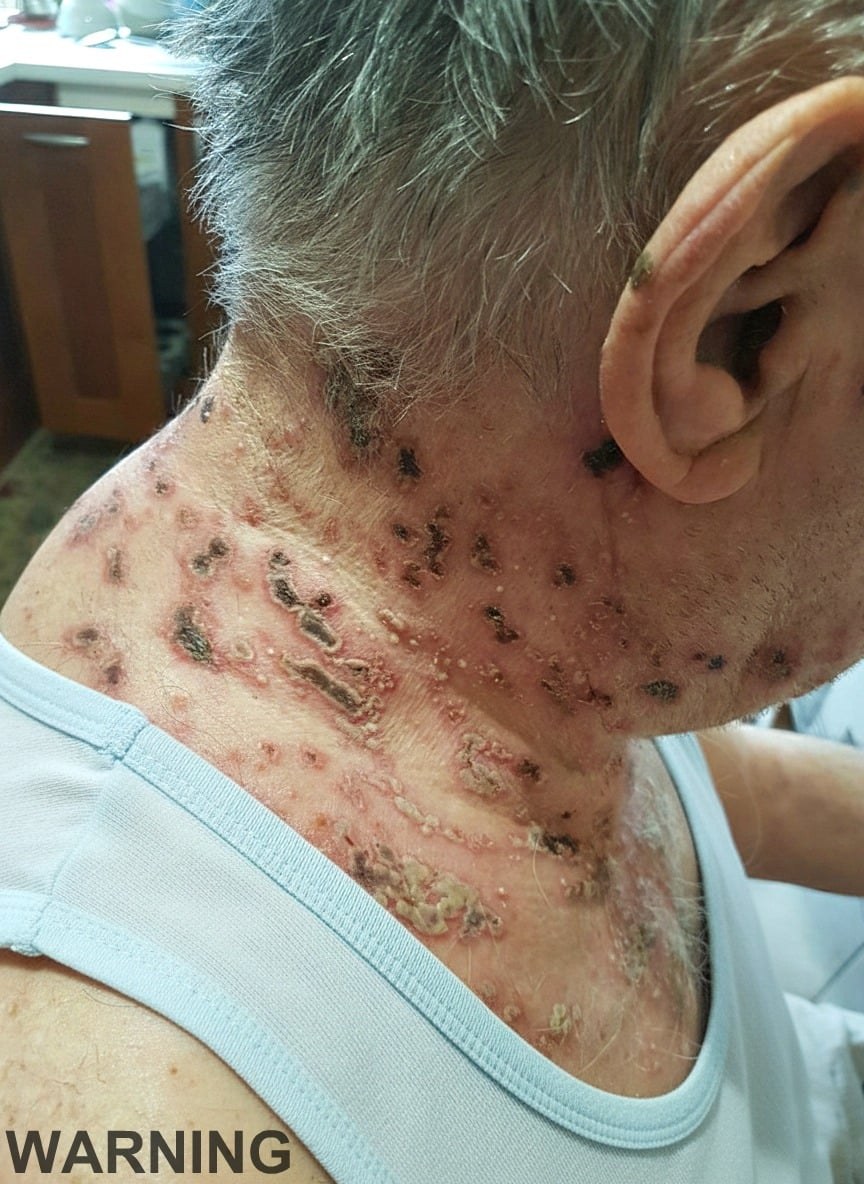
Early Warning Signs Can Be Easy to Miss
One of the challenges with shingles is that its first symptoms can be subtle. Before any rash appears, many people notice unusual sensations such as:
- Tingling or burning
- Sensitivity to touch
- Itching
- Localized pain
These symptoms may feel like a muscle strain, skin irritation, or nerve discomfort. Because the rash often develops later, early signs are sometimes overlooked.
Recognizing these warning signals can make a significant difference.
Why Shingles Can Be So Painful
Shingles affects the nerves directly. As the virus reactivates, it causes inflammation along the affected nerve pathways.
This nerve irritation can lead to intense discomfort, often described as burning, stabbing, or throbbing pain. For some, even light contact with clothing or bedding can feel uncomfortable.
The rash itself typically develops into clusters of small, fluid-filled blisters.
Who Is Most at Risk?
Although shingles is more common in older adults, it can affect people of various ages.
Risk factors include:
- Advancing age
- High levels of stress
- Weakened immune function
- Certain medical conditions
- Recovery from illness or surgery
In recent years, healthcare providers have observed cases in younger adults, often linked to stress and immune system strain.
Potential Complications
While many people recover fully, shingles can sometimes lead to complications.
One of the most common is postherpetic neuralgia, a condition where nerve pain continues even after the rash has healed. This discomfort can persist for weeks, months, or longer.
If shingles affects the face, especially near the eyes or ears, prompt medical attention is especially important to prevent more serious complications.
Is Shingles Contagious?
You cannot catch shingles directly from another person.
However, someone who has never had chickenpox—or has not been vaccinated—could develop chickenpox after direct contact with the fluid from shingles blisters.
This is why covering the rash and practicing good hygiene are important until the blisters have fully healed.
Prevention and Early Treatment Matter
Fortunately, there are effective ways to reduce the risk of shingles.
Vaccination is one of the best preventive tools available, especially for older adults. It helps strengthen the immune system’s ability to keep the virus inactive.
If shingles does occur, antiviral medications can be highly effective—particularly when started early, ideally within the first few days of symptoms.
Early treatment can help shorten the illness and lower the risk of complications.
Listen to Your Body
Shingles is a reminder that our bodies carry the history of past infections. Paying attention to unusual sensations, especially unexplained pain or skin sensitivity, is important.
The sooner symptoms are recognized and addressed, the better the chances for a smoother recovery.
Final Thoughts
Understanding shingles can help you recognize the signs early and seek timely medical care. While the virus may remain in the body, awareness, prevention, and prompt treatment can make all the difference.
Your health is always worth paying attention to.
Join the Conversation
Have you or someone you know experienced shingles? Share your thoughts or tips in the comments below.